PON types : APON, BPON, EPON, GPON, XGS-PON explained

Contents
Passive optical networks (PON) have evolved over more than 30 years, from APON at 155 Mbps (1995) to the emerging 50G-PON. Each generation brought its own innovations : bandwidth, encapsulation, multiplexing, distance.
This guide details the 7 main PON standards, their data rates, their specific features and their current status to help you understand the FTTH ecosystem.
1. APON (1995) — the first generation
APON (ATM Passive Optical Network) is the very first PON standard, based on ATM (Asynchronous Transfer Mode) switching technology. ATM uses fixed-size cells (53 bytes) to carry data, voice and video.
- Data rate : 155 Mbps symmetrical
- Standard : ITU-T G.983 (1995)
- Initial use : commercial/enterprise applications
- Status 2026 : obsolete, no new deployments
APON laid the foundations of PON : point-to-multipoint architecture, passive splitter, OLT/ONU. But its limited bandwidth and ATM complexity quickly limited its mass-market adoption.
2. BPON (2001) — Broadband PON
BPON (Broadband PON) is an evolution of APON adding :
- WDM multiplexing (Wavelength Division Multiplexing) — separating wavelengths for download/upload
- Dynamic bandwidth allocation (DBA)
- Survivability — automatic failover in the event of a fault
- Standardised OMCI interface between OLT and ONU/ONT
Typical rates : 622 Mbps download / 155 Mbps upload. Still based on ATM, which limited its use for the emerging HD video. Status : obsolete, migrating to EPON or GPON.
3. EPON (2004) — Ethernet PON
EPON (Ethernet PON, IEEE 802.3ah) breaks with ATM by adopting native Ethernet packets. Advantages :
- Data rate : 1.25 Gbps symmetrical (1G usable after coding)
- Simplicity : single Layer 2 network with native IP
- Hardware cost 30-40% lower than GPON
- Widely adopted in Asia (China, Japan, Korea)
4. GE-PON (2009) — Gigabit Ethernet PON
GE-PON (Gigabit Ethernet PON) is the Asian evolution of EPON. Features :
- Data rate : 2.5 Gbps symmetrical
- Simplified synchronisation
- Lower cost than GPON
- GEM emulation for partial GPON compatibility
- Major deployments in Japan (NTT, KDDI)
5. GPON (2003) — The dominant global standard
GPON (Gigabit PON, ITU-T G.984) is the dominant FTTH standard in Europe and America. Features :
- Data rate : 2.488 Gbps download / 1.244 Gbps upload
- Three Layer 2 networks : ATM (voice), Ethernet (data), proprietary encapsulation
- Security : mandatory AES-128 encryption
- Rich QoS : DBA, T-CONT 1-5
- Mature OMCI interface for remote ONT management
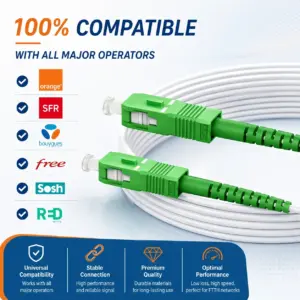
In France, all the major operators (Orange, SFR, Free, Bouygues) use GPON for their residential FTTH networks and are gradually migrating to XGS-PON.
6. XGS-PON and 10G-EPON : symmetrical 10G
| Standard | Norm | Rate DL/UL | GPON coexistence |
|---|---|---|---|
| XG-PON | ITU-T G.987 (2010) | 10 / 2.5 Gbps | Yes (WDM) |
| XGS-PON | ITU-T G.9807 (2016) | 10 / 10 Gbps | Yes (WDM) |
| 10G-EPON | IEEE 802.3av (2009) | 10 / 1 or 10 Gbps | Coexists with EPON |
| NG-PON2 | ITU-T G.989 (2015) | 40 Gbps (4×10G) | Yes (TWDM) |
XGS-PON is the standard of the near future : 10 Gbps symmetrical, native coexistence with GPON on the same fibre via WDM. It lets operators gradually migrate their subscribers without replacing everything. The Freebox Ultra (8 Gbps), Orange Livebox 7 and SFR Box 8X plans rely on XGS-PON.
7. 50G-PON : the post-2025 future
50G-PON (ITU-T G.9804, 2021) is the emerging standard for 2025+ deployments :
- Data rate : 50 Gbps download / 12.5 or 50 Gbps upload
- Coexistence with GPON, XG-PON and XGS-PON
- First commercial deployments in China at the end of 2025
- Makes 25 Gbps consumer plans conceivable
Complete summary table
| Standard | Year | Rate DL/UL | Status 2026 |
|---|---|---|---|
| APON | 1995 | 155 Mbps | Obsolete |
| BPON | 2001 | 622 / 155 Mbps | Obsolete |
| GPON | 2003 | 2.488 / 1.244 Gbps | Dominant Europe/USA |
| EPON | 2004 | 1.25 / 1.25 Gbps | Dominant Asia |
| 10G-EPON | 2009 | 10 / 1 or 10 Gbps | EPON migration |
| GE-PON | 2009 | 2.5 / 2.5 Gbps | Asia |
| XG-PON | 2010 | 10 / 2.5 Gbps | Transition |
| NG-PON2 | 2015 | 40 Gbps (4×10G) | Niche |
| XGS-PON | 2016 | 10 / 10 Gbps | Migration in progress |
| 50G-PON | 2021 | 50 / 12.5 or 50 Gbps | Emerging |
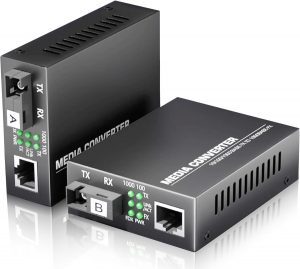
Elfcam components compatible with all PON
- PLC splitters 1×4, 1×8, 1×16, 1×32, 1×64 — compatible with GPON, EPON, XGS-PON
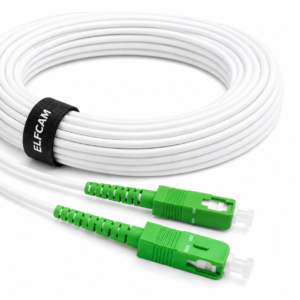
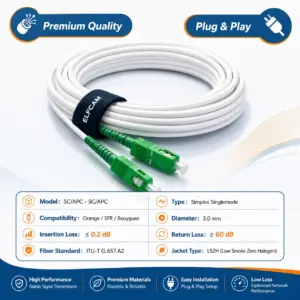
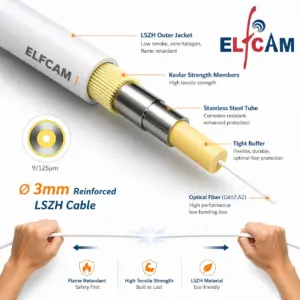
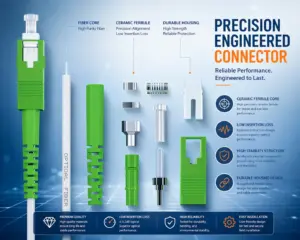
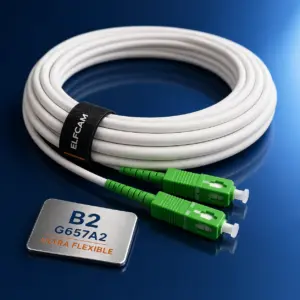
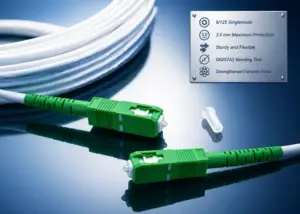
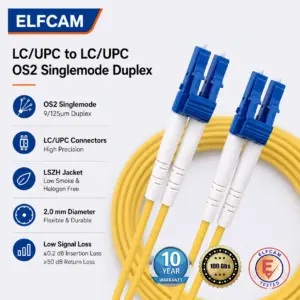
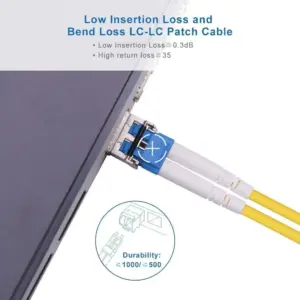
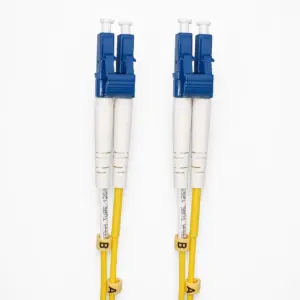
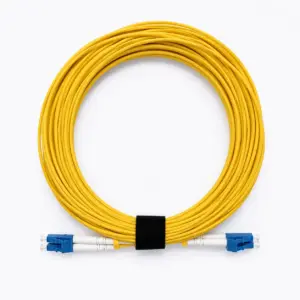
- OS2 fibre cables and SC/APC patch cords
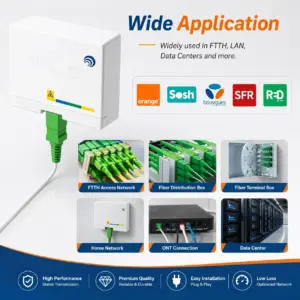
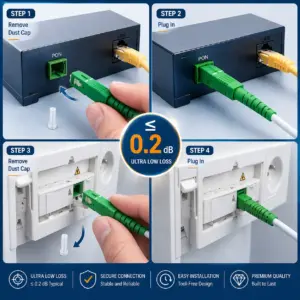
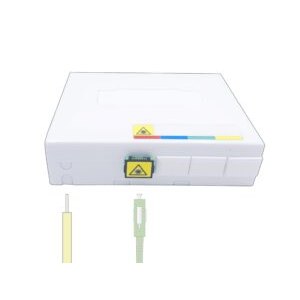
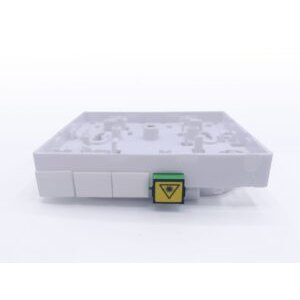
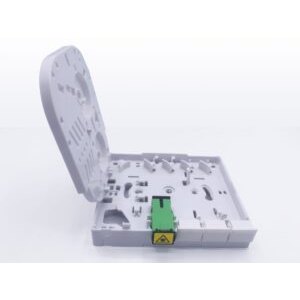
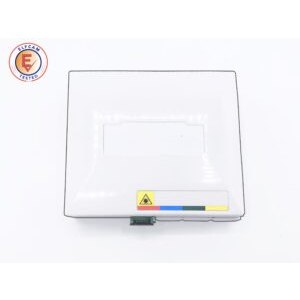
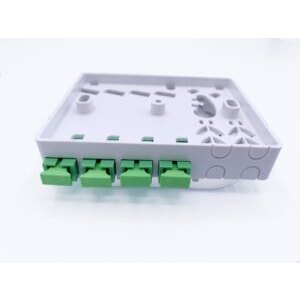
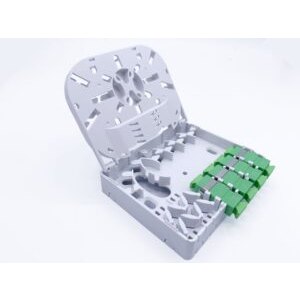
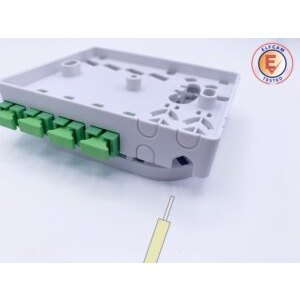
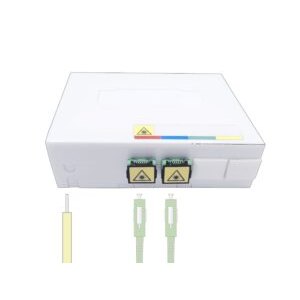
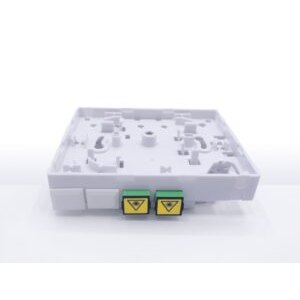
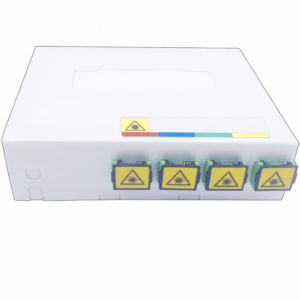
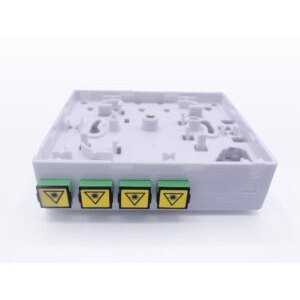
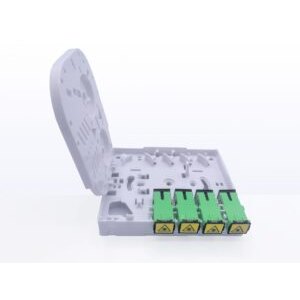
- PTO on the subscriber side
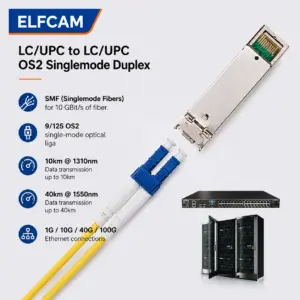
- SFP+/SFP28 modules for OLT uplink







FAQ — PON types
1Which PON is the most widespread in France ?
2EPON or GPON, which is better ?
3GPON and XGS-PON coexistence, how does it work ?
4NG-PON2, why is it rarely deployed ?
5Is 50G-PON already available ?
6Is my old EPON equipment still useful ?
- Campus / hotel networks not requiring more than 1 Gbps
- Emerging markets with budget constraints
- Existing EPON infrastructures awaiting 10G-EPON migration
7Are all PLC splitters compatible with all PON types ?
8Where to buy PON splitters and accessories ?
In summary
7 major PON standards have shaped the evolution of FTTH : APON, BPON, EPON, GE-PON, GPON, XGS-PON, 50G-PON. In 2026, the choice comes down to GPON (existing deployments) or XGS-PON (new symmetrical 10G deployments).
For your PON installations, see our PLC splitters, OS2 cables and SFP+ modules, all compatible.